Custom optical engineering · Global programs

Optical systems,
made for the application.

OpticalDevices develops made-to-spec illumination, optical modules, measurement solutions, and OEM photonics systems for global organizations across education, professional applications, scientific research, and engineering.

Engineering since 2017Experience across global programs
Engineered to specificationSolutions shaped around your application
Cross-sector deliveryEducation, research, and industry
Confidential by designResponsible handling of proprietary work

Application-led optical engineering

Requirements become reliable optical systems.

Every program begins with a clear definition of the optical outcome, operating environment, interfaces, constraints, and evidence required for acceptance. From there, we engineer the solution around the realities of the application.

Depending on scope, delivery may include a purpose-built light source, an integrated optical module, a measurement platform, a production-test subsystem, or a complete opto-mechanical solution—from feasibility through validation and integration.

Custom products + engineering services

From controlled light to verified performance.

Optical, mechanical, electrical, and measurement decisions are treated as one system.

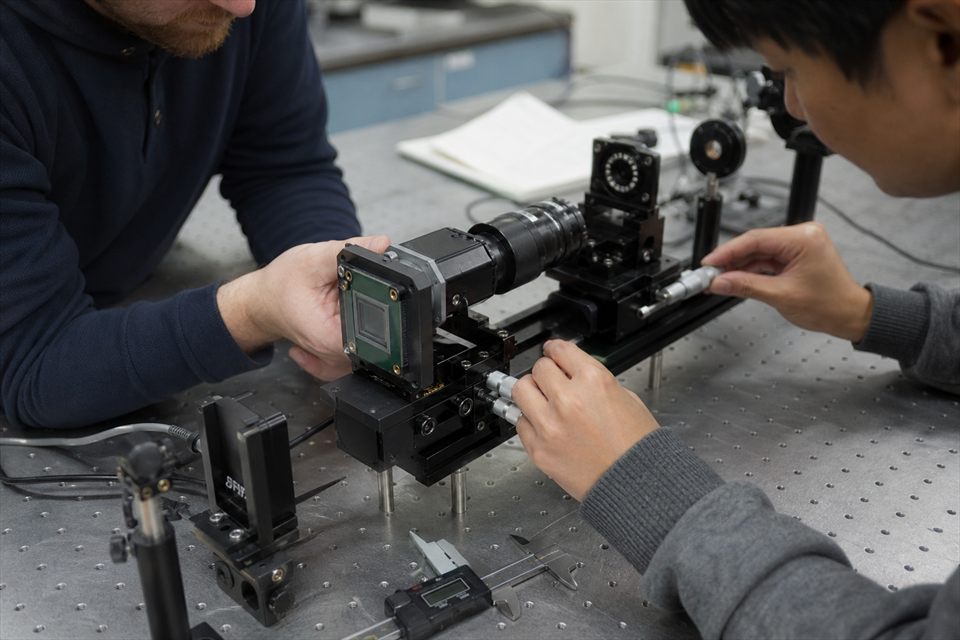
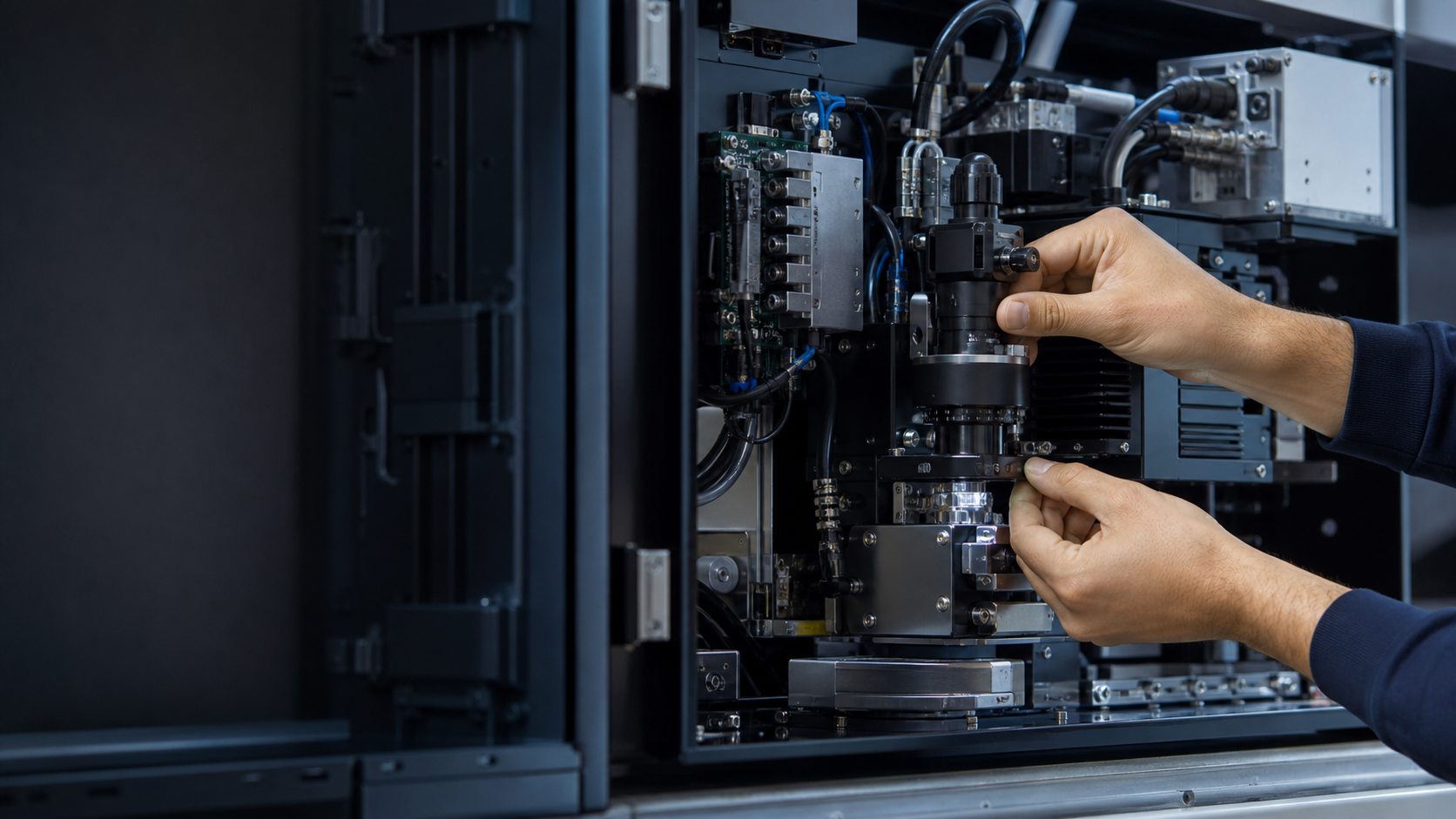
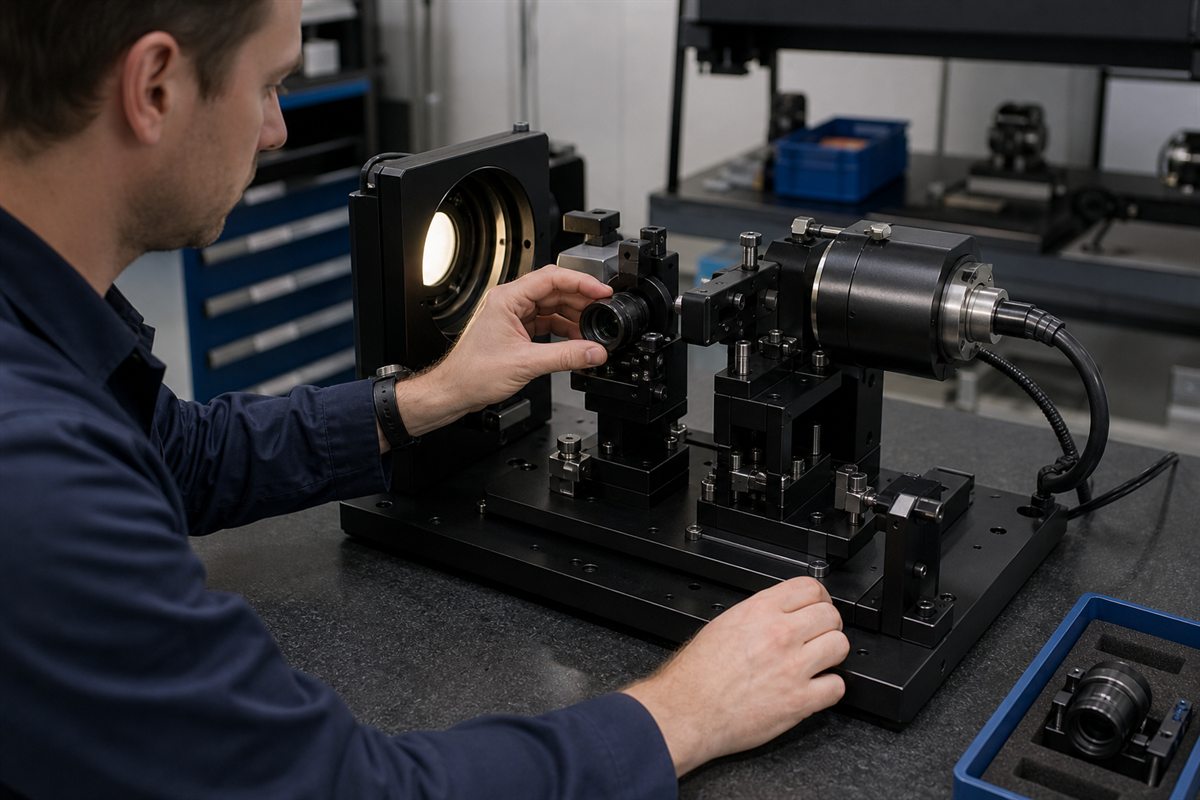
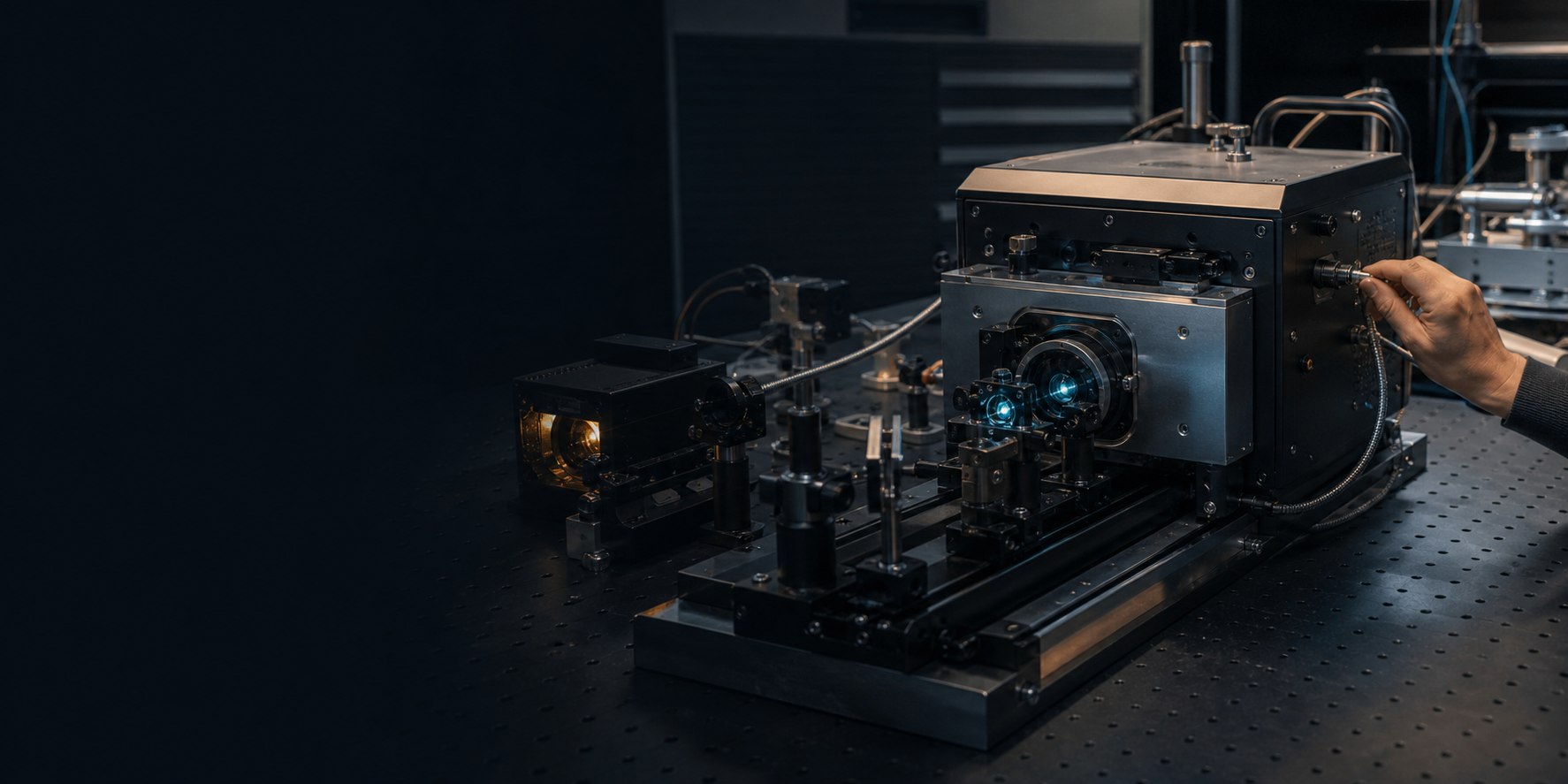
Engineers aligning a compact camera and lens assembly on a precision optical stage
02OPTICAL SYSTEMS

Optical systems & modules

Imaging and non-imaging optical paths developed as practical subsystems, with performance budgets and interfaces defined for the host equipment.

  • Concept and feasibility studies
  • Lens, filter, detector, and source selection
  • Tolerance and stray-light considerations
  • Module interface definition
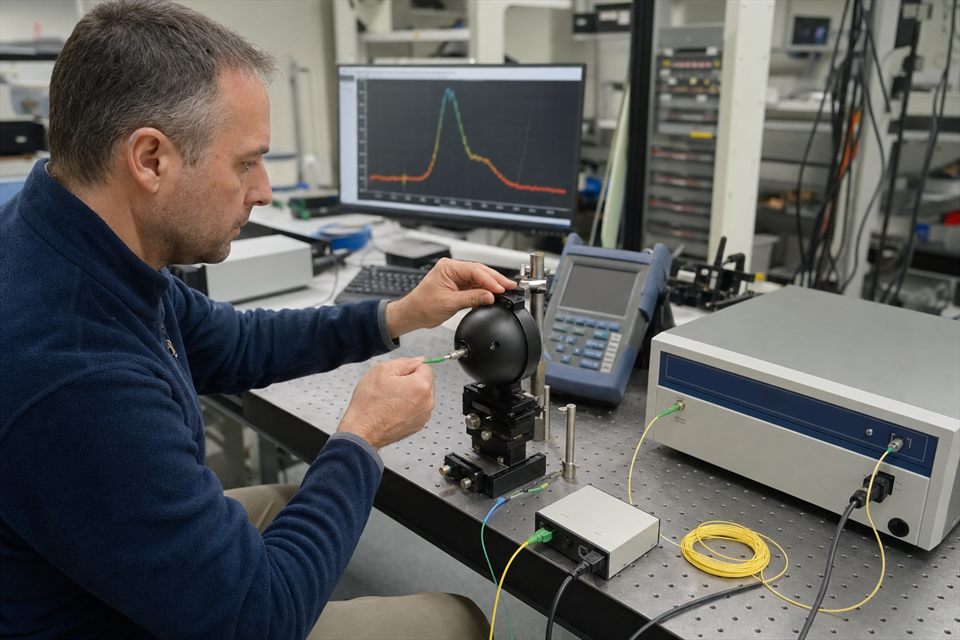
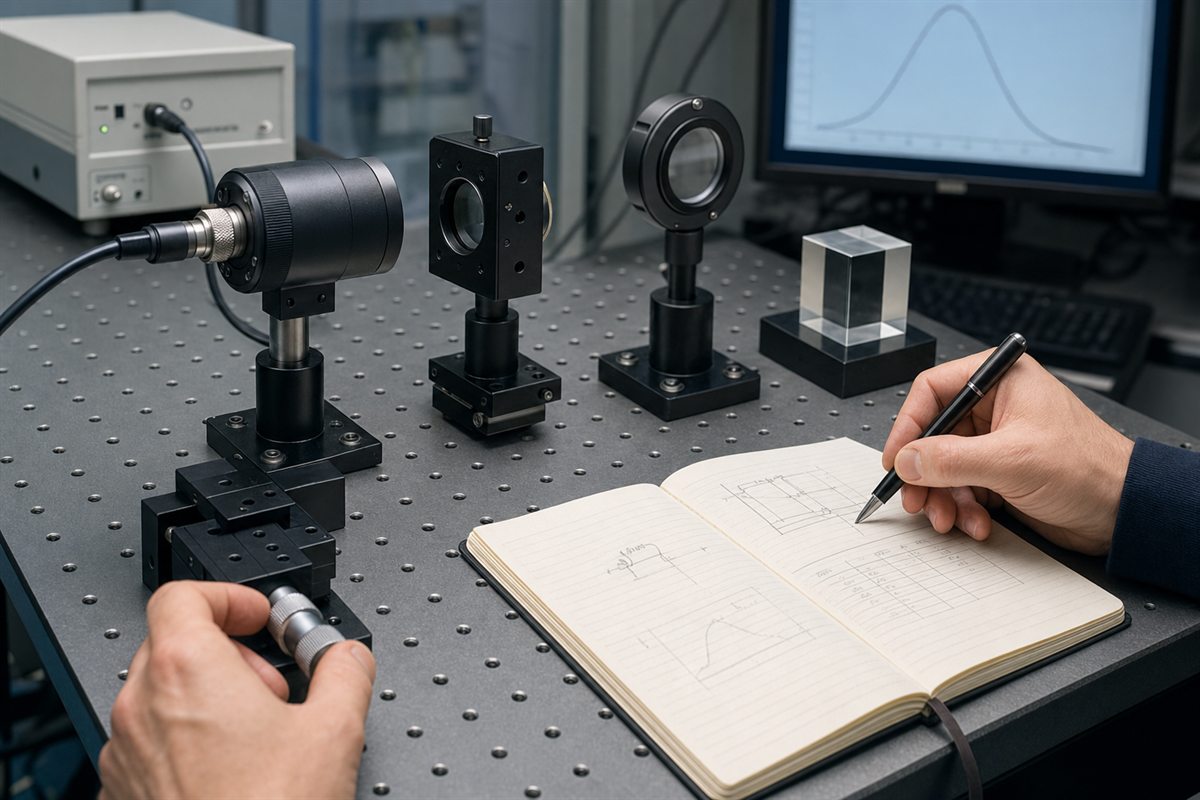
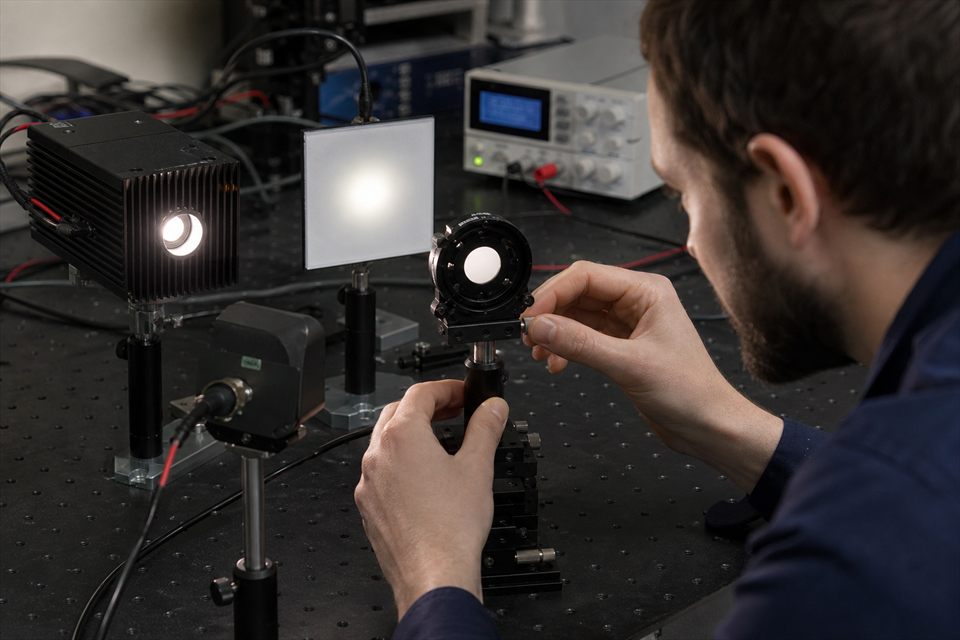
A researcher connecting fiber instrumentation for optical measurement and validation
03MEASUREMENT

Optical measurement & validation

Test methods that turn optical goals into measurable criteria, supporting design decisions, prototype comparison, verification, and repeatable acceptance.

  • Radiometric and photometric test strategy
  • Spectral and spatial characterization
  • Fixtures, procedures, and data review
  • Verification reports and limits
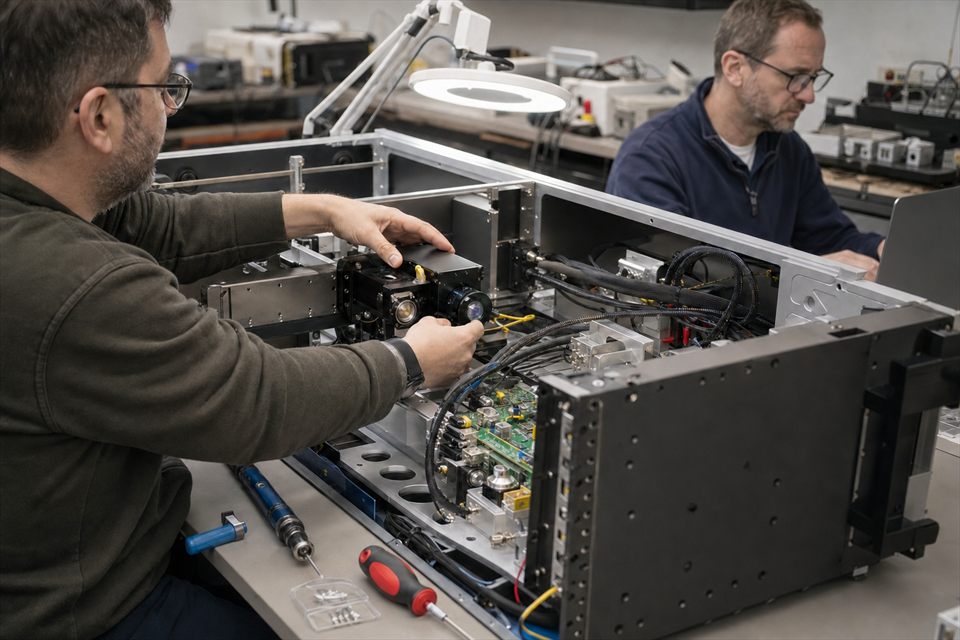
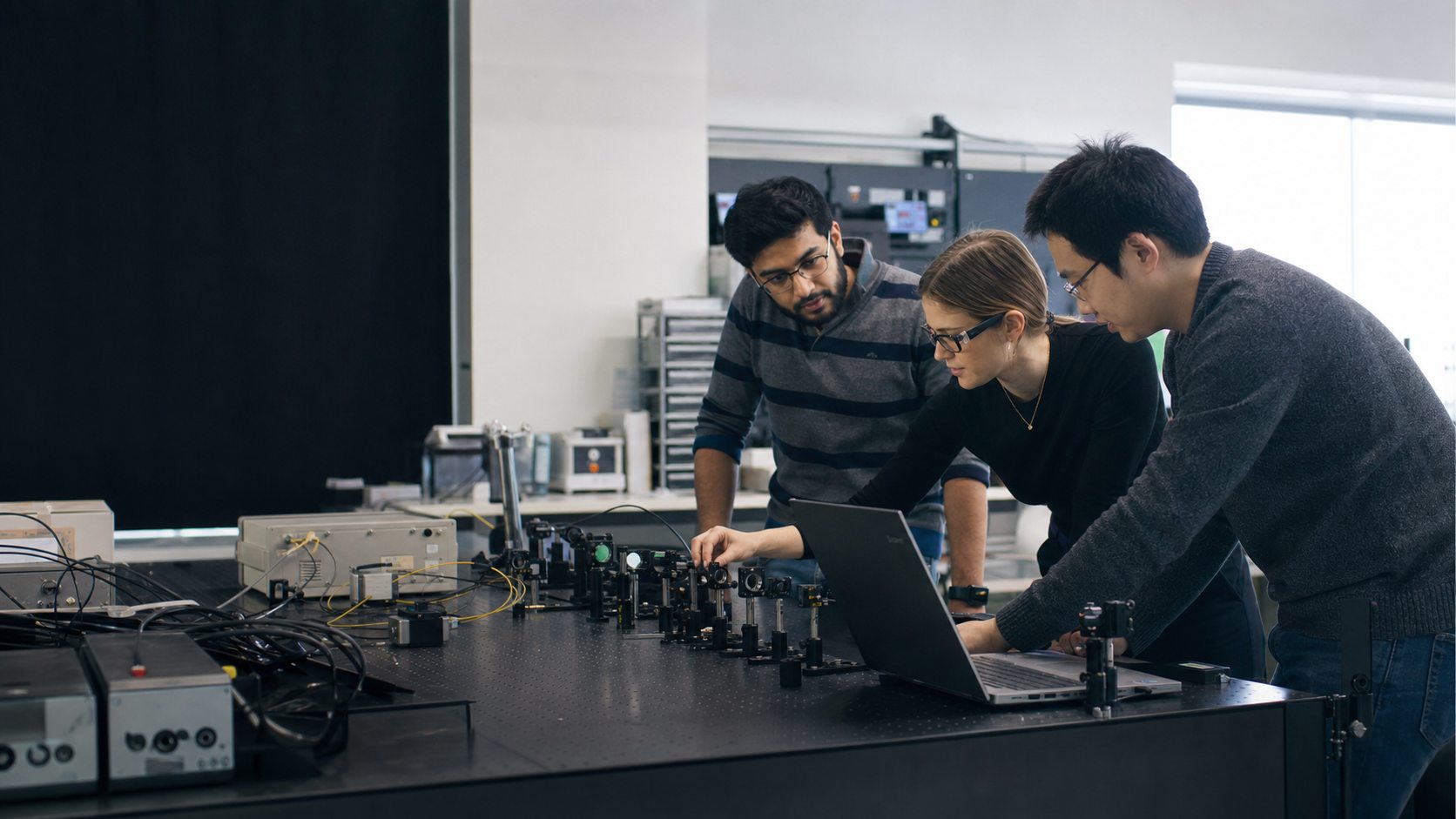
Engineers integrating a custom optical module into professional equipment
04OEM INTEGRATION

OEM photonics integration

Purpose-built optical functions integrated directly into the customer’s equipment, with interfaces defined for reliable system operation.

  • Optical-mechanical-electrical coordination
  • Size, mass, power, and control interfaces
  • Supplier and component coordination
  • Prototype-to-build documentation
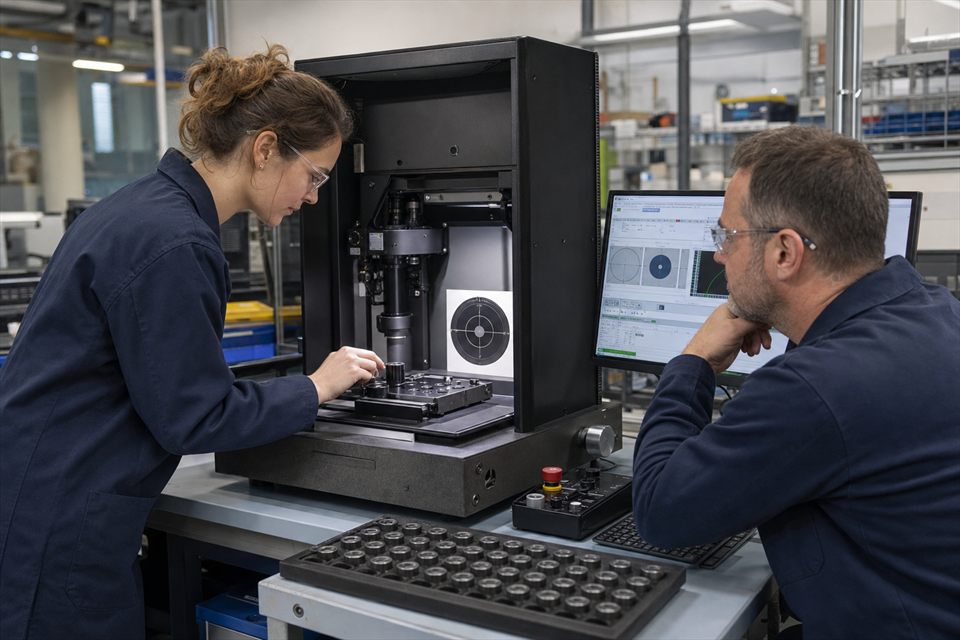
A technician and engineer using a repeatable optical production test station
05PRODUCTION TEST

Production optical test solutions

Purpose-built stations and photonics subsystems for verifying optical performance during assembly, qualification, or manufacturing.

  • Test architecture and error budget
  • Reference path and fixture concept
  • Repeatability and pass/fail logic
  • Operator-focused workflow
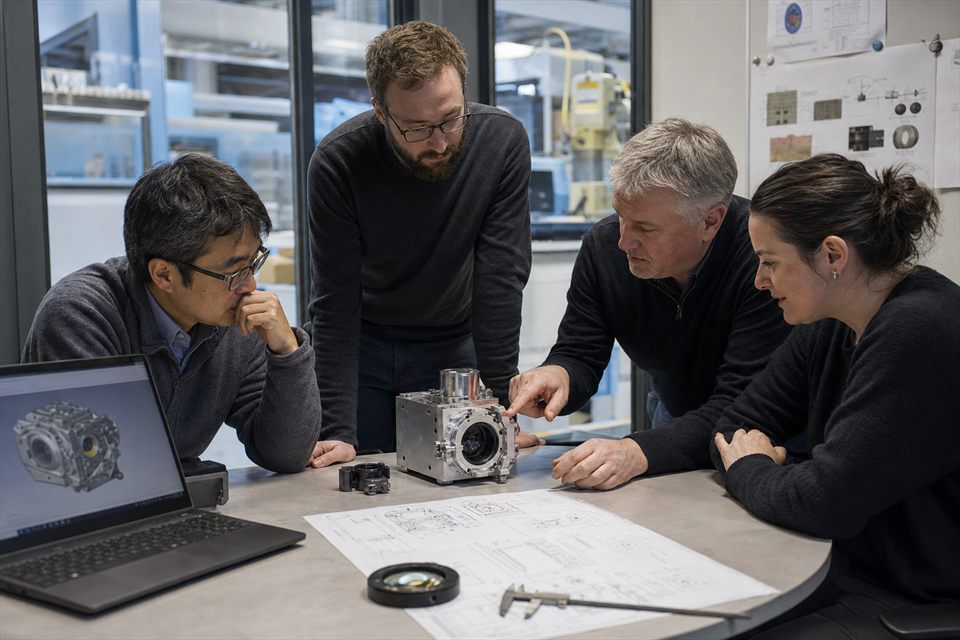
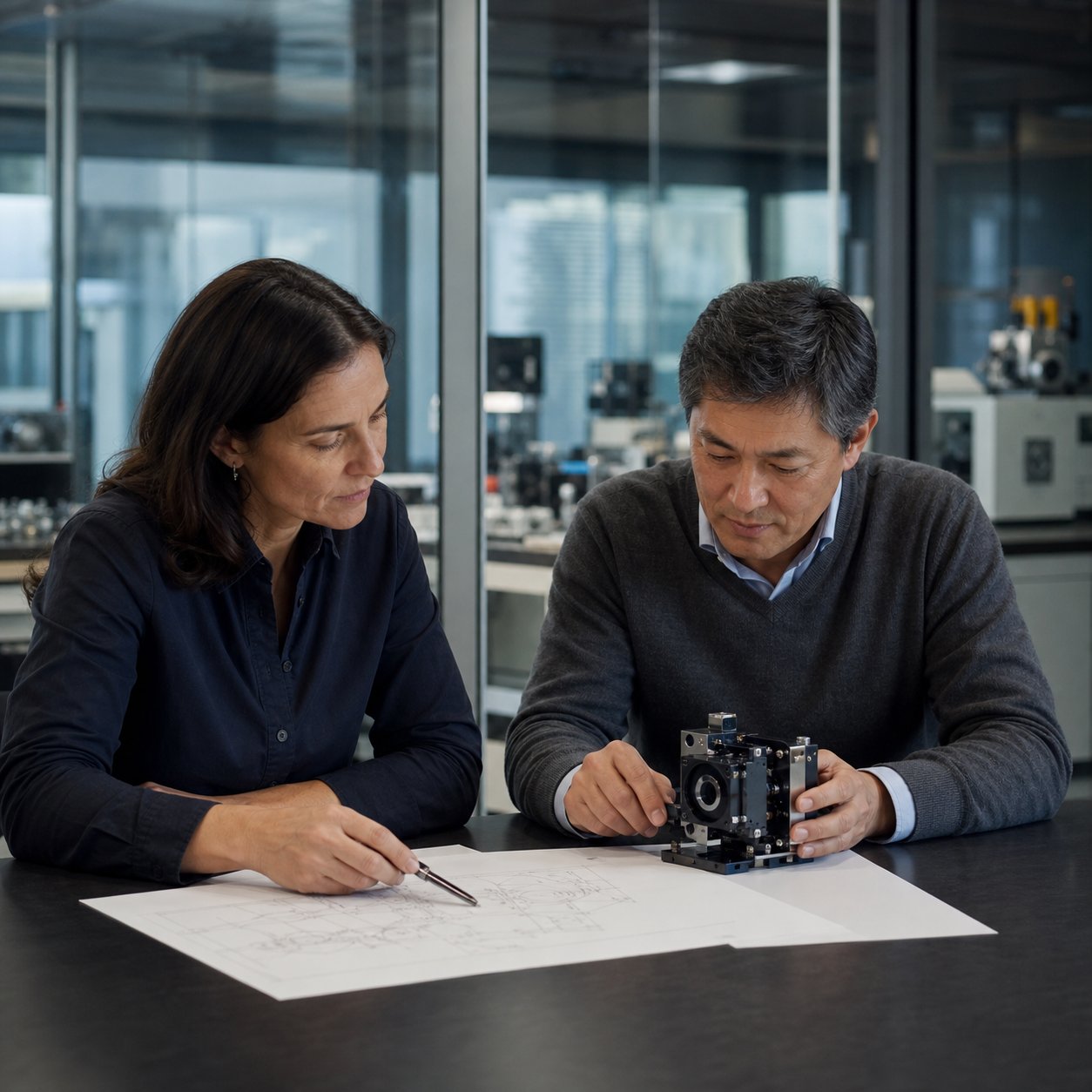
A multidisciplinary engineering group reviewing a physical optical module and drawings
06ENGINEERING SUPPORT

Technical consulting & lifecycle support

Focused engineering support when the requirement is still forming, an existing design needs review, or a validated concept must be prepared for continued use.

  • Requirements and architecture review
  • Technical risk and trade-off analysis
  • Design iteration and issue resolution
  • Change and obsolescence support

Application environments

Built for the system around it.

Education & training Professional applications Scientific research Engineering & OEM Industrial inspection Analytical instruments

A traceable path from need to delivery

One problem.
Five engineering gates.

Scope and evidence evolve together. Each gate creates a clear decision point before the program commits to the next level of detail.

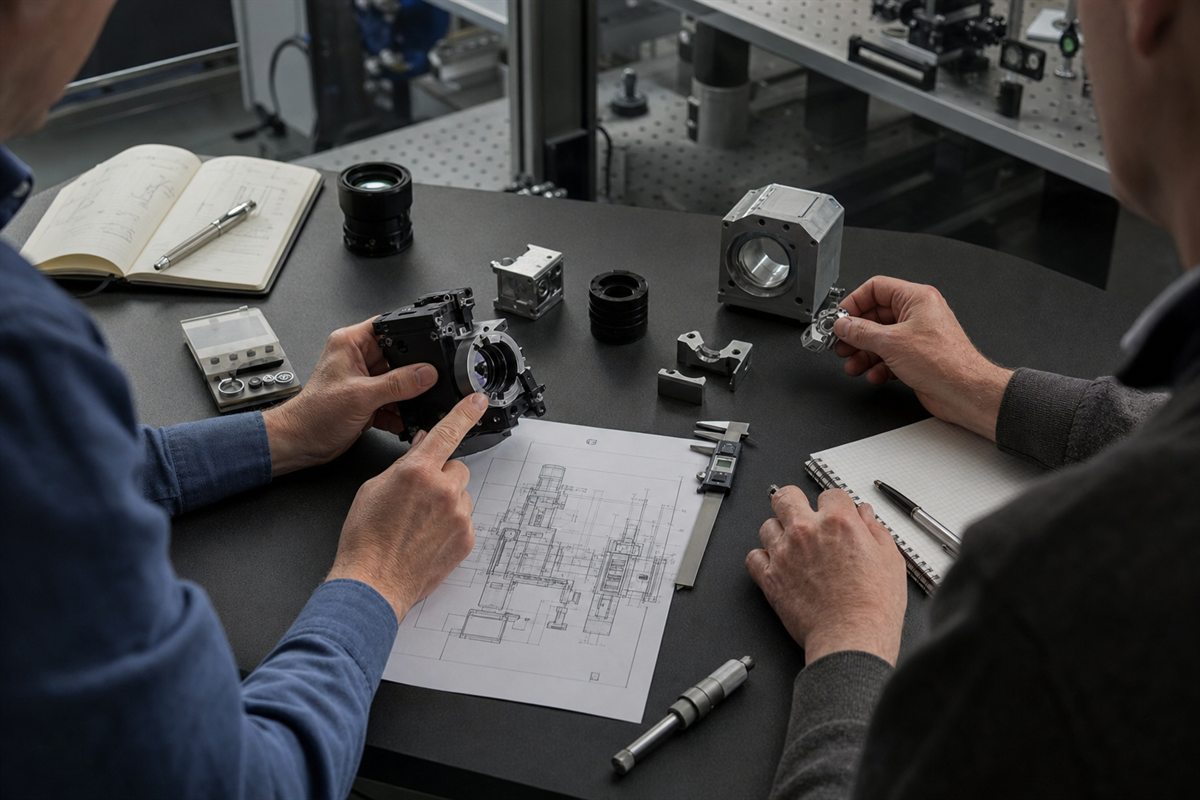
Engineers reviewing an optomechanical prototype, components, and technical drawing at a design gate
  1. 01
    DISCOVER

    Frame the application

    Optical objective, use environment, interfaces, constraints, quantity, schedule, and commercial boundaries.

    Project brief
  2. 02
    DEFINE

    Make success measurable

    Requirements, assumptions, acceptance methods, technical risks, and the alternatives worth comparing.

    Requirement baseline
  3. 03
    ENGINEER

    Develop the custom solution

    Optical architecture, component strategy, interfaces, modelling, trade-offs, and prototype definition.

    Design package
  4. 04
    VALIDATE

    Test against the requirement

    Prototype measurement, issue analysis, design iteration, and documented evidence against agreed criteria.

    Verification evidence
  5. 05
    DELIVER

    Prepare for integration

    Final interfaces, build information, acceptance records, handover, and continued engineering support as scoped.

    Custom product / system

Confidential projects, generalized

The engineering can be shown.
The client stays private.

These representative engagement types describe the problems and deliverables without identifying customers, proprietary specifications, or protected designs.

CASE / 01INDUSTRIAL ILLUMINATION
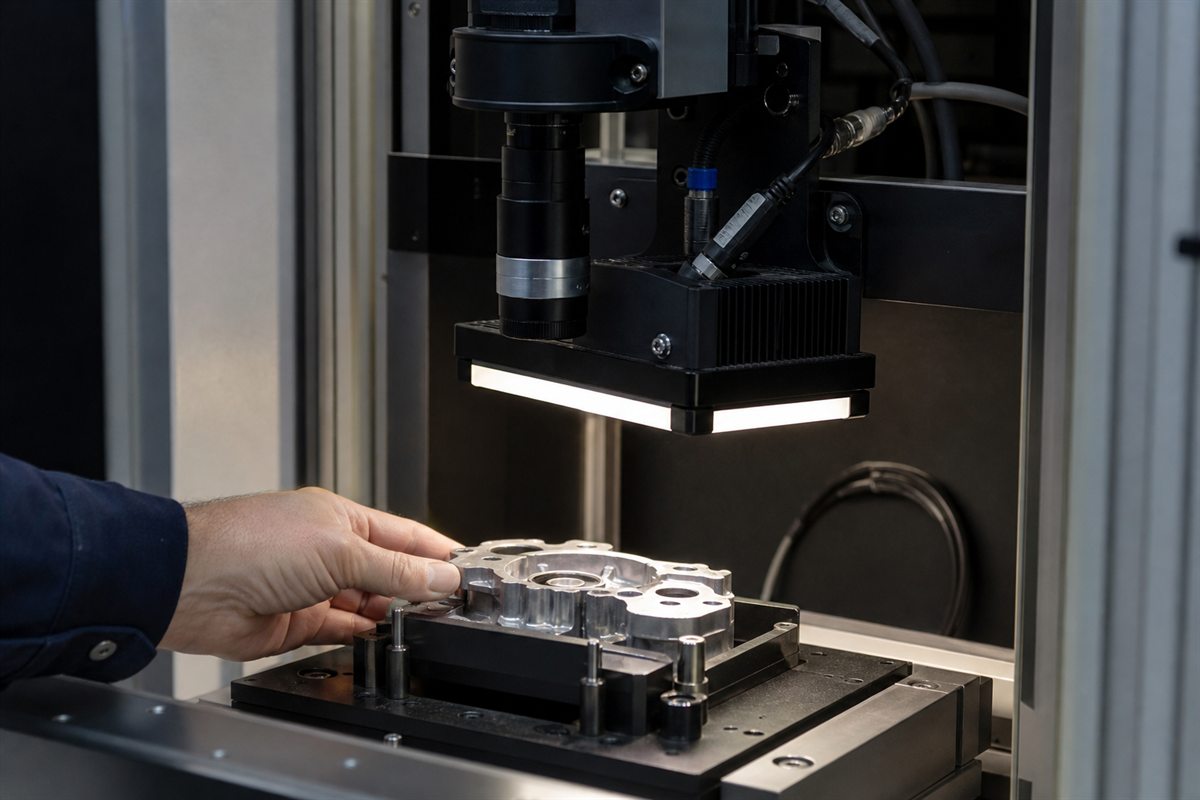
A custom illumination head inspecting a machined component within a constrained machine enclosure

Uniform light in a constrained inspection envelope

Custom illumination module

THE NEED

Deliver controlled light at a defined target while balancing uniformity, working distance, thermal limits, mechanical space, and system cost.

ENGINEERING RESPONSE

Translate the target-plane requirement into source geometry, beam control, mechanical and electrical interfaces, then define prototype measurements and acceptance limits.

IlluminationOpto-mechanicsValidation
CASE / 02OPTICAL SENSING
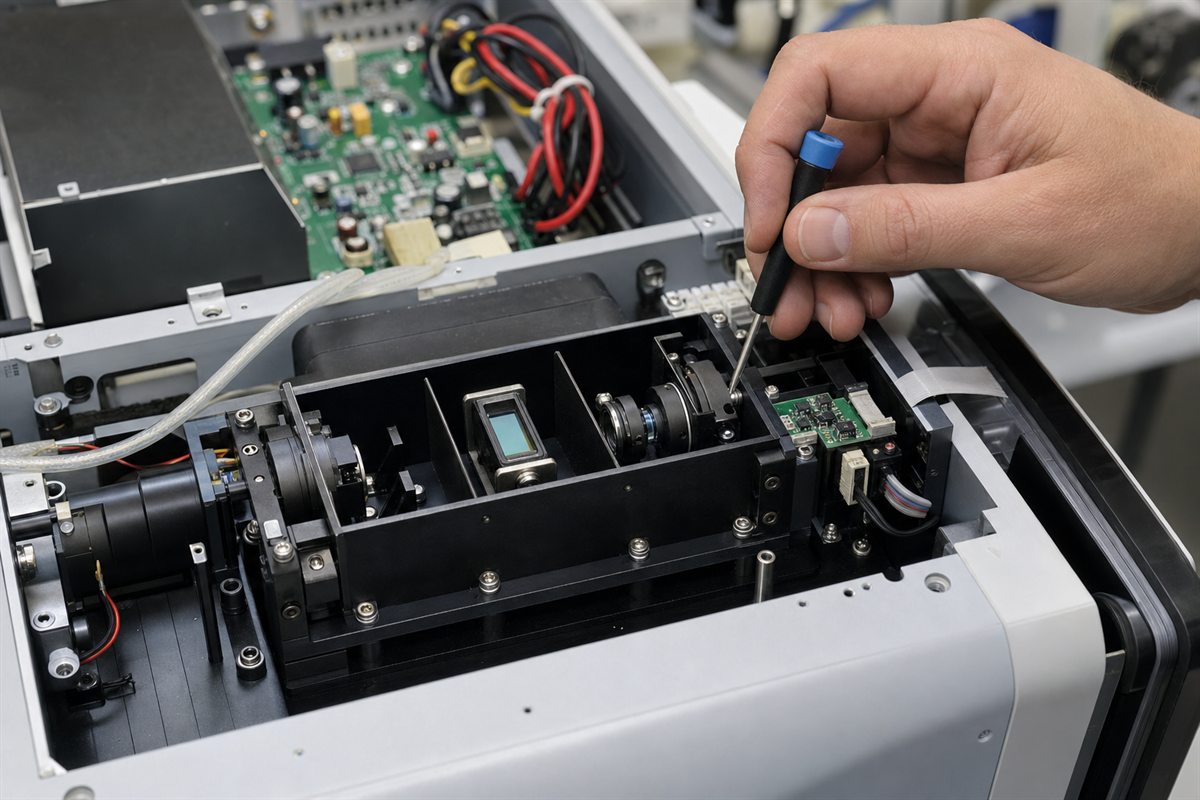
A compact source-to-detector optical sensing path integrated inside a professional instrument

A compact optical path for application-specific sensing

Integrated optical subsystem

THE NEED

Fit source, filtering, collection optics, and detector behavior into a host system with limited volume and tightly coupled optical and electronic interfaces.

ENGINEERING RESPONSE

Establish the signal path and performance budget, compare component strategies, manage stray-light and tolerance risks, and package the selected concept for integration.

PhotonicsSystem designIntegration
CASE / 03PRODUCTION VERIFICATION
A technician using a repeatable optical acceptance fixture in a production verification workflow

Repeatable optical acceptance for a manufacturing workflow

Custom test architecture

THE NEED

Convert laboratory performance criteria into a repeatable process suitable for product acceptance, with clear handling, references, limits, and traceable results.

ENGINEERING RESPONSE

Define the measurement chain, fixture concept, error contributors, repeatability study, operator sequence, and practical pass/fail method.

MetrologyProduction testDocumentation

Confidence without overstatement

Defined. Measured.
Documented.

Custom engineering succeeds when assumptions are visible, interfaces are controlled, and decisions can be traced to evidence.

An engineer recording evidence while measuring an optical assembly on a metrology bench
01

Requirements traceability

Performance targets, interfaces, constraints, and changes remain connected throughout the project.

02

Evidence-led decisions

Models and calculations guide the design; measurement confirms what the physical system delivers.

03

System-level thinking

Optics are developed together with mechanics, electronics, thermal behavior, software, and production needs.

04

Confidential by design

Client identities, application details, specifications, and project artifacts are not used publicly without permission.

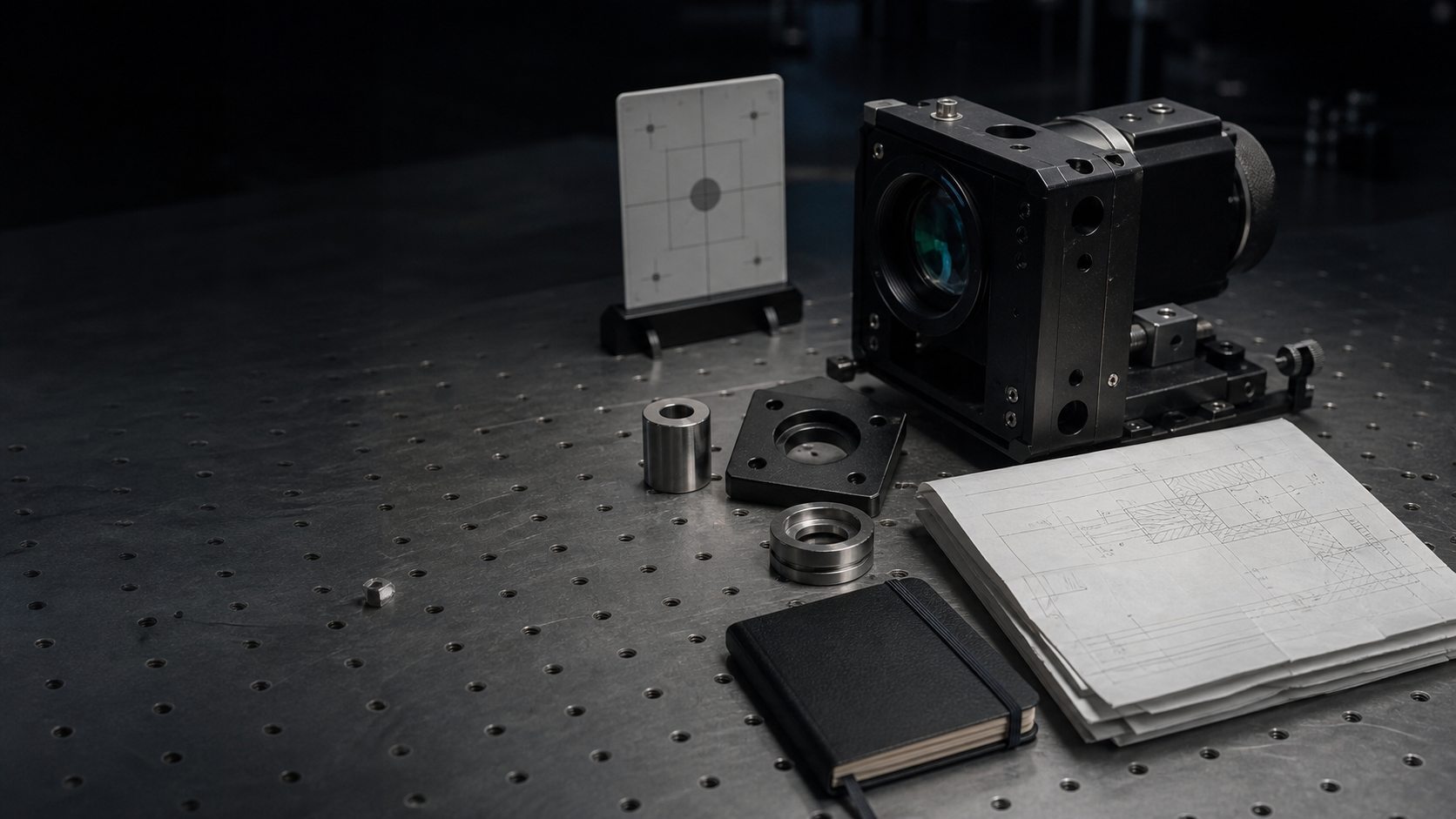
Experienced optical engineers reviewing a precision optomechanical module in a modern laboratory

OpticalDevices Co., Ltd.

Established experience.
Global outlook.

Established in 2017, OpticalDevices delivers custom optical and light-science solutions for organizations in education, professional applications, scientific research, and engineering worldwide. We turn specialized requirements into practical products, subsystems, test methods, and documented decisions.

Customer names are intentionally not published. Confidentiality is part of how we work, not a limitation on the depth of the work.

Legal name
OpticalDevices Co., Ltd.
Established
Business model
Custom products & engineering services
Project reach
Global programs

Before we begin

A clear first conversation.

How are OpticalDevices solutions developed?

Each program is configured around the application requirement. Engagements may begin with feasibility and architecture, then progress through prototype development, verification, integration, and continued engineering support.

Can a project begin before the specification is complete?

Yes. Early work can focus on requirements discovery, feasibility, risk reduction, and comparison of possible technical directions before a full development scope is committed.

Do you support both prototypes and production-related work?

Projects can include concept studies, prototypes, verification, OEM integration, production-test solutions, documentation, and ongoing engineering support. The exact boundary is agreed for each engagement.

Do you support global programs?

Yes. OpticalDevices works with organizations across regions and sectors. Interfaces, documentation, review points, logistics, and communication methods are defined at project start.

Why are customer names and detailed specifications not shown?

Most custom optical programs contain proprietary application details. We protect client identity and technical information, and publish only generalized examples unless explicit permission is given.

Start with the requirement

Bring us the optical challenge.
We will help define the path.

A useful first discussion covers the application, desired optical result, operating conditions, available space and interfaces, expected quantity, and target schedule.

Call +81 70 1426-2333
OPTICALDEVICES / TOKYO
Company
OpticalDevices Co., Ltd.
Address
3-12-13 Akasaka
Minato-ku, Tokyo 107-0052
Japan